
How to Remove Pigmentation from Face Permanently: A Complete Guide
- 05 mins read
Table of contents
- What Is Facial Pigmentation?
- Common Types of Facial Pigmentation
- Is It Possible to Remove Pigmentation Permanently?
- How to Remove Pigmentation from Face Permanently?
- Which Pigmentation Treatment Is Right for You?
- How to Maintain Your Results
- Why Choose SkinLab Mysore for Pigmentation Treatment?
- Conclusion
Pigmentation often starts as a small concern. A few dark patches appear on your cheeks, forehead, neck, underarms or upper lip, and you expect them to fade with time. But weeks turn into months, and despite trying creams, home remedies, or skincare products, the pigmentation remains. Sometimes, it may even become more noticeable.
This can be frustrating, especially when you’re putting in effort without seeing real results. The reason is simple: not all pigmentation responds to the same treatment, and treating it without understanding the cause often leads to disappointment.
If you’re wondering how to remove pigmentation from your face and body permanently, this guide explains the treatments that work, what results you can realistically expect, and how SkinLab Mysore approaches pigmentation correction.
What Is Facial Pigmentation?
Pigmentation is one of the most common skin concerns seen in both men and women. It appears as dark patches, spots, or uneven skin tone when certain areas of the skin produce excess melanin, the pigment responsible for skin colour.
Before exploring treatment options, it’s important to understand that pigmentation isn’t a single condition. Different types of pigmentation behave differently, which is why personalised treatment is so important.
Common Types of Facial Pigmentation
1. Melasma
2. Sun Spots
3. Post-Acne Pigmentation
4. Tanning-Related Pigmentation
Is It Possible to Remove Pigmentation Permanently?
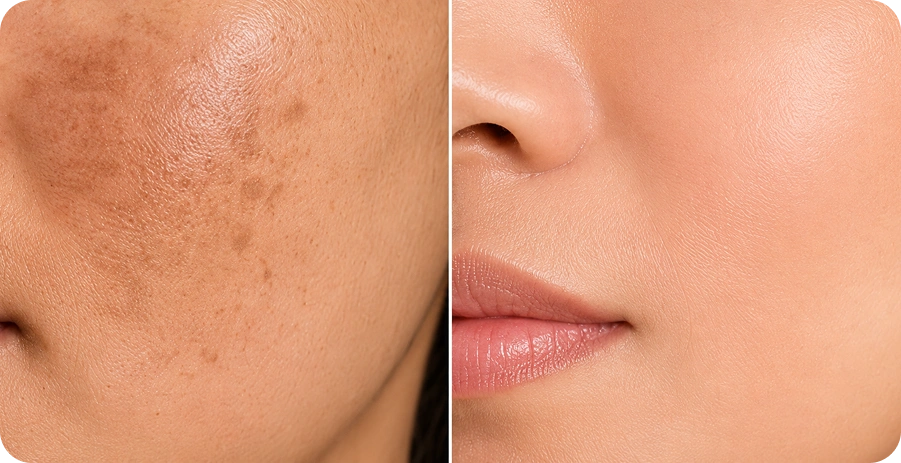
Yes, some types of pigmentation can be removed permanently or reduced significantly with the right treatment. Sun spots, tanning-related pigmentation, and post-acne marks often respond very well to professional treatments. However, pigmentation caused by hormonal factors, such as melasma, may return over time and usually requires maintenance to keep it under control.
The results depend on the type, depth, and cause of the pigmentation, as well as how well you protect your skin after treatment.
How to Remove Pigmentation from Face Permanently?
Professional treatments are often the most effective way to treat stubborn pigmentation. The right treatment depends on factors such as the type of pigmentation, how deep it is, and your skin’s overall condition.
At SkinLab Mysore, treatment plans are customised after a detailed skin assessment to ensure the most suitable approach for your concerns.
1. Advanced Skin Brightening Treatment
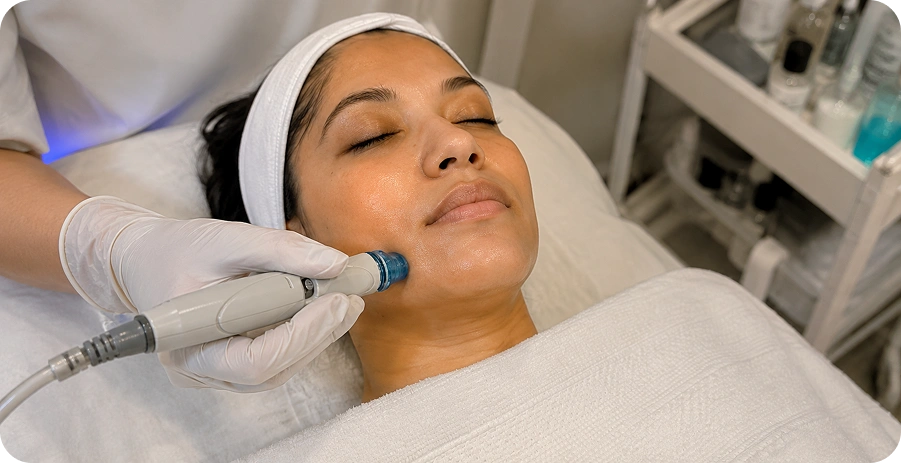
At SkinLab Mysore, the Advanced Skin Brightening Treatment is performed under the guidance of experienced consulting doctors who assess your skin and create a personalised treatment plan based on your skin type and pigmentation concern.
The treatment is designed to target visible pigmentation while improving overall skin tone and radiance.
Ideal For
- Melasma
- Sun-induced pigmentation
- Uneven skin tone
- Post-inflammatory pigmentation
Potential Benefits
- Helps reduce the appearance of visible pigmentation
- Improves overall skin radiance
- Promotes a more even skin tone
- Supports smoother-looking skin
- Can be combined with a customised skincare routine for long-term maintenance
In addition to addressing pigmentation, this treatment focuses on enhancing the overall appearance and quality of the skin.
2. Medical-Grade Chemical Peels
Medical-grade chemical peels are commonly used to improve pigmentation, acne marks, and uneven skin tone. At SkinLab Mysore, experienced doctors select the most appropriate peel based on your skin type, pigmentation concern, and treatment goals.
The treatment works by exfoliating damaged outer layers of skin and encouraging healthier skin renewal.
Suitable For
Acne marks
Mild pigmentation
Sun damage
Uneven skin tone
Dull skin
Potential Benefits
Encourages healthy skin renewal
Helps brighten a dull complexion
Improves overall skin texture
Reduces the appearance of superficial pigmentation
Supports clearer and smoother-looking skin
The type and strength of the peel are carefully selected by the doctor to ensure the treatment is suitable for your skin and concerns.
Which Pigmentation Treatment Is Right for You?
Choosing the right treatment can feel overwhelming, especially when there are so many options available. The reality is that the best treatment depends entirely on your individual skin condition.
Here’s a simple guide:
| Pigmentation Concern | Recommended Approach |
|---|---|
| Melasma | Advanced Skin Brightening Treatment |
| Post-Acne Pigmentation | Medical-Grade Chemical Peels |
| Sun Spots | N/A |
| Mixed Pigmentation | Combination Treatments |
| Recurrent Pigmentation | Personalised Treatment Plan |
How to Maintain Your Results
1. Wear Sunscreen Every Day
2. Stick to Your Recommended Skincare Routine
3. Keep Up With Follow-Ups
4. Limit Excessive Sun Exposure
Simple measures such as seeking shade, wearing sunglasses, or using a hat can help protect your skin from unnecessary sun damage.
These small but consistent steps can go a long way in helping maintain a more even and healthy-looking complexion.
Why Choose SkinLab Mysore for Pigmentation Treatment?
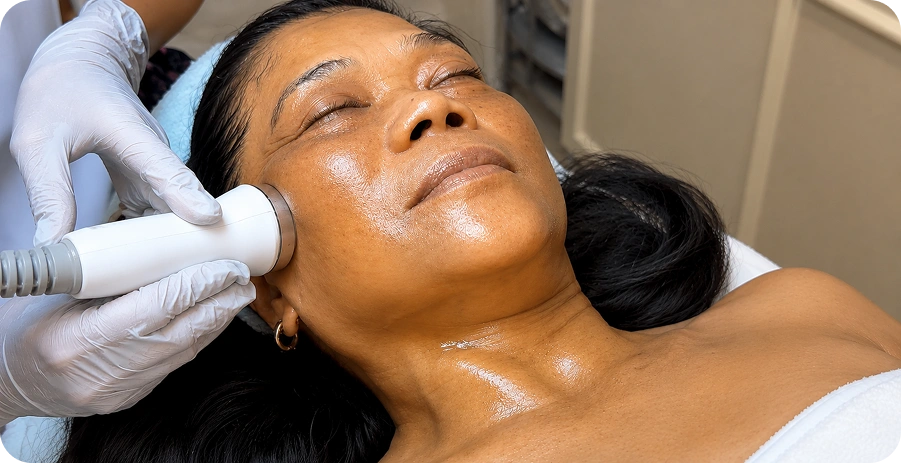
At SkinLab Mysore, pigmentation treatment goes beyond addressing visible dark patches. Every treatment plan is tailored to your skin’s unique needs to help achieve safer, more effective, and longer-lasting results.
- Detailed Skin Assessment to identify the type and cause of pigmentation.
- Personalised Treatment Plans based on your skin concerns and goals.
- Advanced Treatment Options including Q-Switch Laser, Advanced Skin Brightening procedures, and medical-grade chemical peels.
- Expert Care from experienced doctors and cosmetologists.
- Long-Term Maintenance Support to help minimise recurrence.
- Customised Skincare Guidance to support and maintain results.
With expert-led care and personalised solutions, SkinLab Mysore helps you achieve clearer, more even-toned skin with confidence.
Conclusion
Pigmentation doesn’t have to be something you simply live with. With the right diagnosis and treatment plan, concerns such as melasma, acne marks, sun spots, and uneven skin tone can often be improved significantly. The key is choosing treatments that address the root cause rather than relying on temporary fixes.
At SkinLab Mysore, experienced doctors and cosmetologists create personalised pigmentation treatment plans designed around your skin’s unique needs. If you’re ready to achieve clearer, more even-toned skin, book a consultation and explore the treatment options best suited to your concerns.